

We turn your dream vacations into unforgettable realities. Whether you're seeking a relaxing beach escape, a thrilling adventure
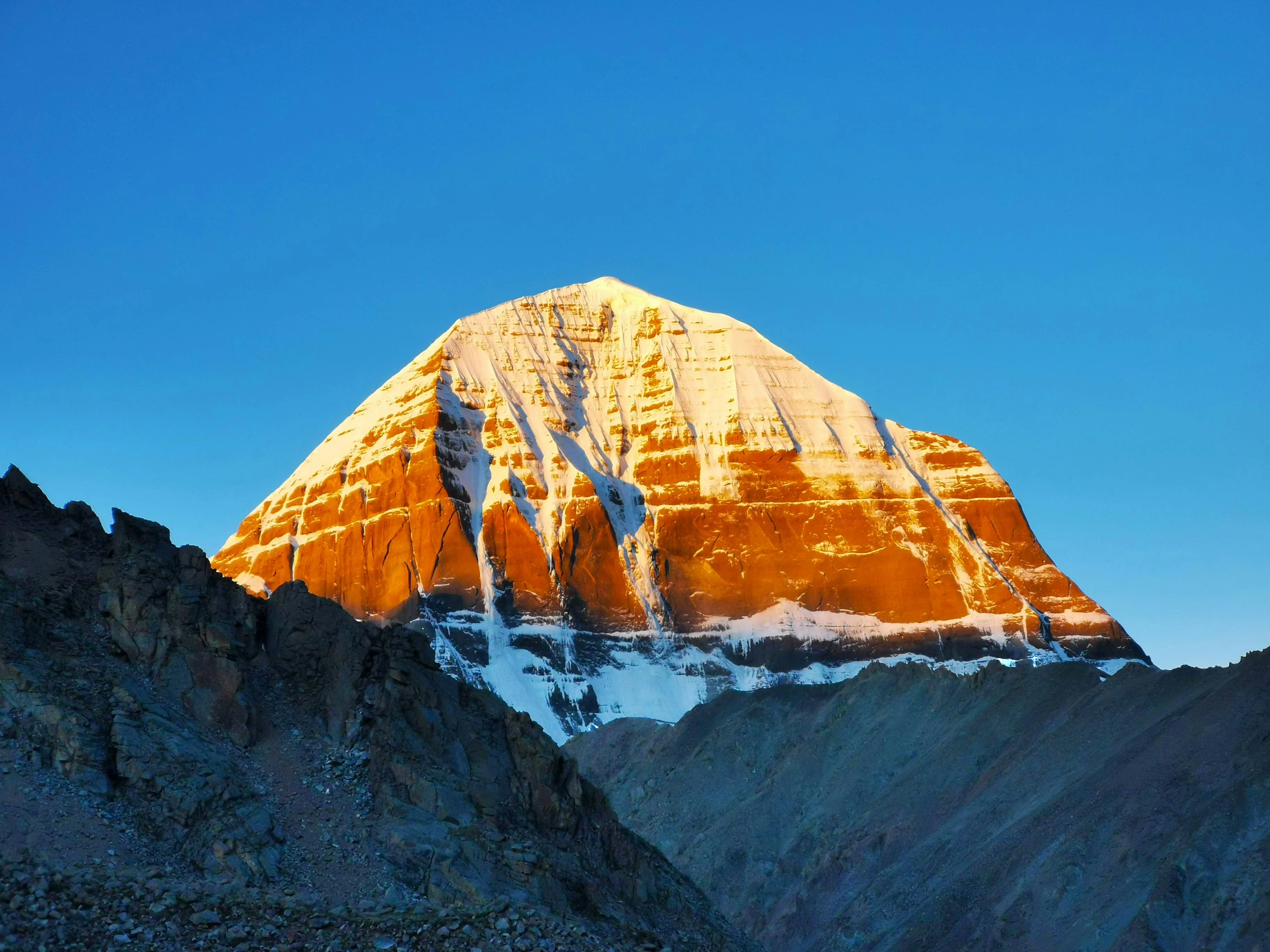
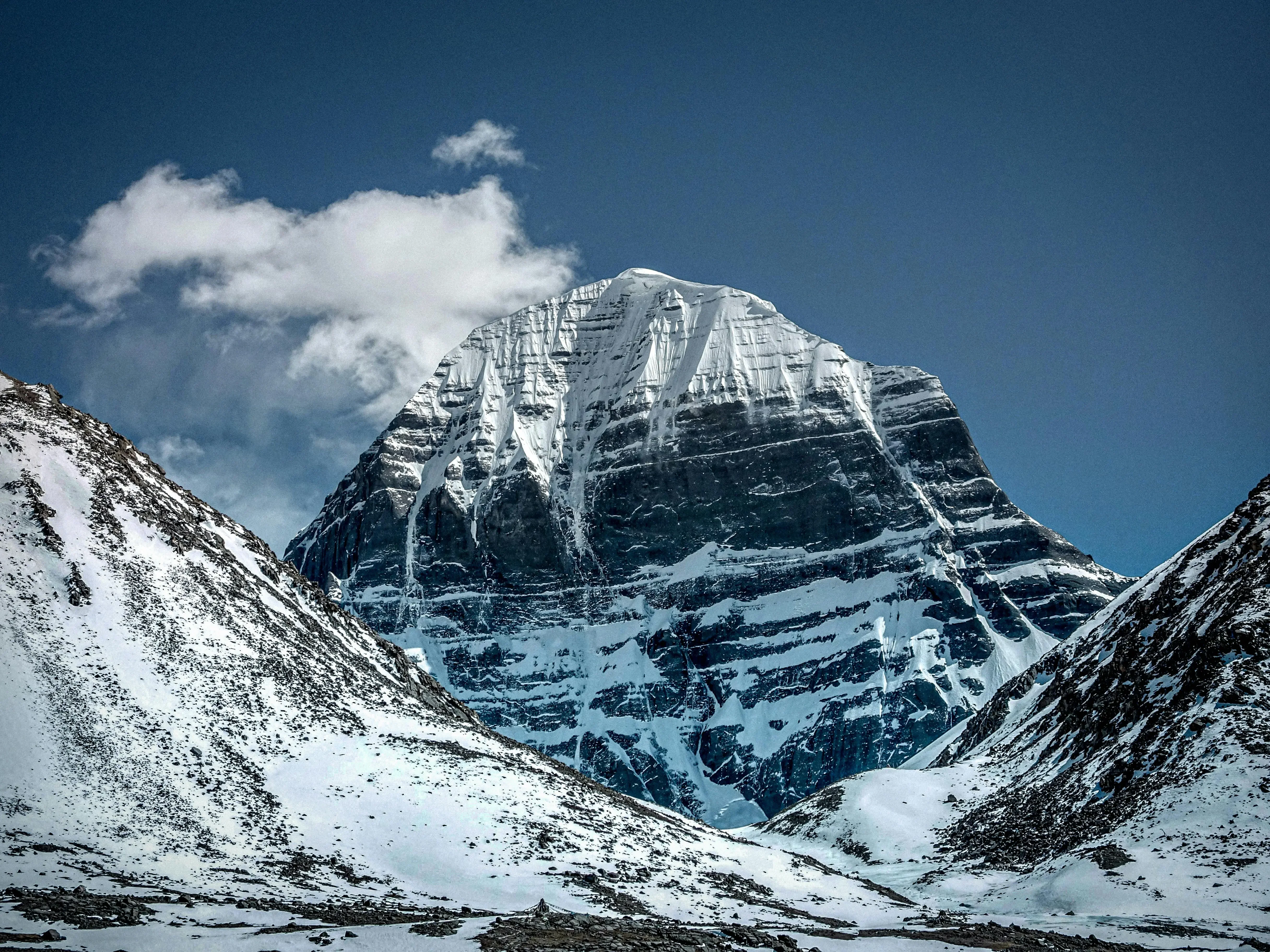
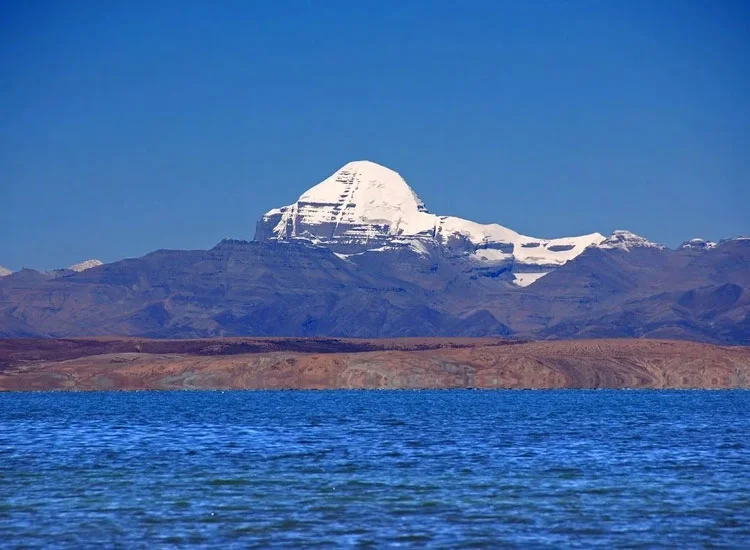
Experience one of the world’s most sacred pilgrimages, travelling across Nepal and Tibet to the base of Mount Kailash.
The Sacred Odyssey (12N/13D) Embark on the ultimate spiritual quest to the abode of Lord Shiva. This 13-day pilgrimage transcends a mere journey, taking you across the high-altitude landscapes of Nepal and Tibet to the mystical Mount Kailash and the serene Lake Mansarovar. It is a profound expedition of faith, offering a life-changing opportunity for purification and spiritual awakening amidst the world's most majestic peaks.
A meticulously planned 13-day trans-Himalayan circuit starting from the vibrant city of Kathmandu. This journey features a comprehensive acclimatization schedule in Saga to ensure your well-being before reaching high altitudes. Experience the divine tranquility of Lake Mansarovar followed by the challenging yet rewarding three-day Kora (parikrama) around Mount Kailash, including the crossing of the formidable Dolma-La Pass. With expert briefings and supported transit through Kerung and Darchen, this Yatra provides a safe and deeply moving path to the "Center of the Universe.
Day 1: Arrive in Kathmandu
Day 2: Kathmandu temples and Yatra briefing
Day 3: Drive to Nepal–Tibet border
Day 4: Cross border and travel to Kerung
Day 5: Drive to Saga
Day 6: Acclimatization in Saga
Day 7: Drive to Lake Mansarovar
Day 8: Drive to Darchen, base of Kailash
Day 9: Kora Day 1 – Dirapuk
Day 10: Kora Day 2 – Dolma-La to Zuthulpuk
Day 11: Kora Day 3 – complete Parikrama, drive to Saga
Day 12: Drive to Kathmandu
Day 13: Departure
3/4 star
Private Sedan / SUV / Tempo Traveller
May to early October
01-12 Persons
Local Hindi/English Speaking
Pilgrimage, Trekking & Photography
Spiritual & Religious
Available in Most Hotels
UPI, Visa, Master Card, Net Banking
Kathmandu
You meet our representative at the airport and transfer to your hotel. Use the day to rest, hydrate, and prepare for the journey. Overnight in Kathmandu.
Morning visits to three important temples: • Pashupatinath Temple • Guhyeshwari Temple • Budanilkantha Temple Return to the hotel for lunch. In the afternoon, the team discusses health precautions, packing, altitude behavior, and border procedures. Overnight in Kathmandu.
A scenic 7–8 hour drive through forests, rivers, and hill settlements. Syabrubesi / Timure is the final Nepal stop before entering Tibet. Overnight stay.
You complete immigration formalities at Rasuwagadhi and enter Tibet. After crossing, you drive 4–5 hours to Kerung. The air is cooler here, and altitude begins to rise, so the evening is kept light. Overnight in Kerung.
You travel across the Tibetan plateau with its wide valleys and open landscapes. Short stops along the way help with gradual acclimatization. Overnight in Saga.
A dedicated rest day to help your body adjust to higher altitude. Light walks, hydration, and warm meals are encouraged. This day makes the upcoming journey much easier. Overnight in Saga.
A scenic drive brings you to Lake Mansarovar, one of the holiest lakes for pilgrims. As you approach, the turquoise water and distant views of Mount Kailash create a moving and peaceful moment. Time is given for: • Quiet reflection • Holy dip (weather permitting) • Evening prayers Overnight in a simple mud house near Mansarovar.
A calm morning at Mansarovar followed by a short drive to Darchen, the base of the Kailash Kora. You prepare for the trek, check gear, and keep the evening easy. Overnight in Darchen.
The Parikrama begins with a 13 km walk, about 5–6 hours at a steady pace. You see the north face of Mount Kailash getting clearer as you approach Dirapuk. The monastery area is one of the most serene points of the journey. Overnight in Dirapuk (basic mud house).
The most challenging day of the trek. You start early and ascend steadily to Dolma-La Pass, the highest point of the route. After crossing the pass, you descend toward Gauri Kund and continue to Zuthulpuk. Total trek distance: 22 km (8–9 hours). Overnight in Zuthulpuk.
A 12 km walk completes the sacred Parikrama. After lunch at Darchen, you drive back to Saga for overnight stay.
You travel back through Kerung, cross the border into Nepal, and continue to Kathmandu. Overnight in Kathmandu.
Transfer to the airport for your onward journey.
The ideal window for the Kailash Mansarovar trip is between mid-May and September. During these months, the weather is relatively stable, and visibility is at its best, allowing for clear views of the holy peak. Traveling during the full moon (Saga Dawa) is highly popular among pilgrims for its spiritual significance, though it requires booking much further in advance due to high demand.
Yes. Since Mount Kailash is located in the Tibet Autonomous Region of China, Indian passport holders require a special group visa and a Tibet Travel Permit. These are not issued to individuals; they must be processed through a registered travel operator. Your tour package typically includes the coordination of these permits to ensure a smooth crossing at the Nepal-Tibet border.
The Kailash Kora (parikrama) involves a three-day trek reaching altitudes of over 5,600m. While you don't need to be an athlete, good cardiovascular health and stamina are essential. We recommend starting a regime of brisk walking, jogging, or yoga at least three months before your trip. Always consult your doctor, especially if you have pre-existing respiratory or heart conditions.
Acclimatization is critical to preventing High Altitude Cerebral Edema (HACE) or Pulmonary Edema (HAPE). Our itinerary includes dedicated rest days, such as a full day of acclimatization in Saga, to help your body adjust to the thinning air. Proper hydration, eating light meals, and following the "climb high, sleep low" principle are vital steps our guides oversee for your safety.
Taking a holy dip in Lake Mansarovar is a highlight for many pilgrims. However, due to environmental regulations and the freezing water temperatures, the local authorities often restrict direct bathing in the lake. Pilgrims are usually allowed to take water from the lake in buckets for a symbolic bath at the shore, ensuring you still receive the spiritual blessings while staying safe.
Accommodation varies by location. In Kathmandu, you will stay in comfortable hotels. However, as you move into Tibet and closer to the mountain, facilities become more basic. In places like Dirapuk and Zuthulpuk, you will stay in basic mud houses or guest houses with dormitory-style rooms and limited electricity or plumbing. It is part of the humble pilgrim experience.
While there is no "official" age limit for private tours, most travel insurance providers and medical experts suggest the trip is best suited for those between ages 18 and 70. The extreme altitude and harsh conditions of the Dolma-La Pass can be taxing. Travelers over 60 are often required to provide a medical fitness certificate to ensure they can handle the physical stress.
Layering is key. Even in summer, temperatures can drop below freezing at night. Essential items include high-quality thermal wear, a heavy down jacket, waterproof trekking boots, and a warm sleeping bag. Don't forget sunblock, polarized sunglasses, and a wide-brimmed hat, as the UV radiation is very high at Lake Mansarovar and Mount Kailash.
Yes, almost all Kailash Mansarovar trip packages catering to Indian travelers provide strictly vegetarian meals. Our kitchen staff travels with the group to prepare fresh, hygienic Indian food, including dal, rice, vegetables, and rotis. We also recommend carrying high-energy snacks like dry fruits, chocolate bars, and glucose biscuits to keep your energy levels up during the trek.
The trek to Dolma-La Pass is the most challenging part of the entire Yatra. On Day 10, you will ascend to an altitude of 5,636m. The air is very thin, and the climb is steep. However, the sense of accomplishment and the view of Gauri Kund from the top make it a deeply rewarding experience for every devotee.
Communication can be limited in remote areas of Tibet. While major towns like Saga may have mobile connectivity, signals are weak during the Kailash Kora. It is advisable to buy a local SIM card in Kathmandu or Tibet for basic connectivity. Most tour leaders carry satellite phones for emergencies to ensure the safety of all pilgrims throughout the circuit.
Yes, if you feel unable to walk the 52km circuit, you can hire a pony or a personal porter at Darchen, the base of the Kora. This should be arranged on Day 8 or 9 before the trek begins. Please note that hiring these services involves an extra cost, and in some steep sections of the Dolma-La Pass, you may still need to walk as it becomes unsafe for the ponies.


Here are our most-loved packages specially made for Surat travelers:
Snowy Kashmir & Himachal – Family fun with kids’ first snowfall Romantic Maldives, Bali & Switzerland Honeymoon – Pure magic for couples Dubai + Singapore Shopping Bonanza – Best deals with Gujarati meals Kerala Backwaters Houseboat – Relaxing trip with pure veg/Jain food Golden Triangle & Royal Rajasthan – Palaces, forts & heritage stays Spiritual Gujarat Yatra – Dwarka, Somnath, Girnar & Ambaji Darshan Thailand & Vietnam Adventure – Temples, beaches & delicious food.